
SCHOOL IMMERSION
Norfolk · NC School
Norfolk, Virginia
Possible arrival gateway: Norfolk International Airport (ORF)
Explore a Norfolk school community where college-preparatory academics, Christian values, creative expression and team sports shape daily life. International students in Grades 8–12 may enquire about a January–February 2027 visit, with duration assessed individually.
School overview
Founded in 1952, Norfolk · NC School is a Norfolk, Virginia school serving students from early childhood through high school and accredited by the Virginia Association of Independent Schools (VAIS). Middle School covers Grades 6–8 and High School Grades 9–12. They share a campus while retaining dedicated spaces for each division. College preparation and an explicit Christian educational philosophy are central to the school’s identity.
The educational mission brings together academic development, character, personal responsibility and service. Christian faith informs subjects, Bible lessons, chapel and relationships across the community, while the arts, athletics and community service broaden school life. Families considering this environment can weigh academic challenge, their child’s interests and comfort with its Christian culture.
Curriculum
Grade 8 bridges middle and high school. Subject areas include English, prealgebra or algebra, world geography, physical science, Bible, and health and physical education, alongside arts or other electives. Discussion, collaborative tasks and opportunities to explain ideas help students develop more independent learning habits.
Grades 9–12 follow a college-preparatory pathway across English, mathematics, science, social studies, world languages and Bible. Honors and Advanced Placement courses provide additional challenge, with mathematics extending to AP Calculus BC. Reading, writing, quantitative reasoning and understanding social issues develop through progressively demanding work.
Further areas of exploration include computer science, robotics, makerspace work, Spanish, Latin and American Sign Language. Course availability, grade eligibility and prerequisites must be checked for the relevant academic year. Visiting students’ timetables require an individual match with English proficiency, prior study, attendance dates and class arrangements.
School highlights
- College preparation with academic stretch: Honors and AP pathways extend high-school learning.
- Discussion and collaboration: middle-school projects and real-world problems develop thinking and communication.
- Distinctly Christian education: Bible, chapel, character and service inform everyday school life.
- A broad arts programme: choral and instrumental music, theatre, visual art, digital design and photography.
- Team sports and training spaces: school teams use indoor courts, outdoor fields and strength-training facilities.
- Relationships that support growth: teachers, coaches and counsellors help students navigate school life.
Learning and academic growth
Teaching recognises individual strengths and areas for growth, using varied forms of assessment to let students demonstrate understanding. The learning framework combines critical thinking, creativity, collaboration, communication and Christlike character. In middle school, real-world questions, interactive discussions and collaborative projects encourage students to investigate, explain and revise their ideas.
Eligible students in Grades 11–12 can also explore independent study and school-based or community internships, linking interests with specialised learning and workplace experience. College counselling considers students’ learning styles, interests and future environments. These are elements of the school’s longer-term education; access to independent study, internships or individual college-planning services during a short visit requires separate assessment.
Arts and creative expression
Visual art progresses from drawing foundations to painting and sculpture, with hands-on work in a studio-style setting. Outdoor painting develops observation of changing surroundings, while an annual art exhibition provides a setting for students to share work. Digital art connects creativity and technology through typography, colour and poster design; photography introduces camera technique, composition and image processing.
Choirs perform in school concerts and regional events. From Grade 8, students may audition for selected advanced vocal groups. High-school instrumental opportunities include Concert Band, Wind Ensemble, jazz and pep bands, and drumline, developing rehearsal discipline, ensemble skills and performance.
Theatre study continues in Grade 8 and high school, including acting and character development. Drama club and stage productions extend learning beyond class, with an autumn play, winter one-act and spring musical forming part of the school’s theatre programme. Groups and performances have their own rehearsal cycles, auditions and participation conditions. A short visit must fit the activities underway; participation in a complete production season is not a standard inclusion.
Athletics and teamwork
The athletics programme extends from middle school to JV and Varsity levels. Sports include basketball, soccer, volleyball, baseball, softball, swimming, track and field, cross-country, tennis, lacrosse and wrestling, with offerings varying by division and season. High-school teams compete in a regional independent-school conference, while training emphasises commitment, self-discipline, responsibility to teammates and respect for opponents.
Coaching also reflects the school’s Christian philosophy, addressing skills, mental preparation and relationships. Visiting students can enquire about suitable physical-education classes or activities taking place during their stay. Tryouts, team training and interscholastic competition require separate checks of grade, season, eligibility and school arrangements.
Community and student life
Middle-school life includes clubs, social events, team sports and performing groups. Teachers, coaches and counsellors attend to the changes adolescents experience in learning, independence and friendships. Everyday conversations, encouragement and small-group activities help build trust.
Faith activities are an important part of the culture. Middle-school students encounter Bible discussions, personal devotions, chapel and small-group time; high-school Bible studies extend into doctrine, ethics and apologetics. Students are also encouraged to serve others and take initiative in causes that matter to them.
For international visitors, the experience can include learning how to contribute to discussions, work with peers and adapt to an American school’s routines. Families should understand chapel, dress and conduct expectations before arrival. Clubs, celebrations and performances depend on the actual calendar and participation conditions.
Campus and learning spaces
Middle and high school share a campus while retaining dedicated divisional spaces. A graphics laboratory supports digital design and photographic processing, alongside a studio-style environment for practical visual-art work.
Athletic facilities include an artificial-turf field for football, soccer and lacrosse, an indoor gymnasium, a strength and conditioning centre, and baseball and softball batting facilities. The field has lighting and drainage, while the training centre focuses on functional fitness. These facilities describe the school’s educational setting; individual use depends on the timetable, supervision and safety arrangements.
International learning and support
The school has longstanding experience hosting international students. Its international programme includes English-language learning and after-school academic support to help students understand assignments and adjust to daily study. Longer-term international arrangements also include homestay and college counselling; applicability to a short visit must be confirmed for the individual plan.
Educational support for diagnosed learning differences includes middle-school Learning Labs and high-school Structured Study Halls, designed to strengthen learning strategies and independence. Eligibility, assessment and capacity requirements apply. Families needing such support should discuss suitability with an adviser rather than assuming these services are included in a short visit.
Grades and entry requirements
International students in Grades 8–12 may enquire about short visits. Parental faith requirements do not apply to international applicants; the school’s Christian curriculum and culture remain part of the learning environment. This option may suit students interested in American secondary-school classes who are willing to discuss ideas, collaborate with peers and respect school routines.
Provide the student’s grade, educational background, English proficiency and preferred dates. An adviser can help assess curriculum fit, duration and availability. Classes, clubs, teams, productions and internships have their own participation conditions; the activities available during a visit must be confirmed in the individual plan.
Dates and fees
Enquire about January–February 2027 short visits. Contact an adviser about exact dates, duration, classes and availability.
- Fees
- Contact an adviser
Accommodation and documents
Accommodation, supervision, transport and care outside school hours require individual planning. Prepare the student’s current grade, English background and preferred dates; contact an adviser for the admission documents.
The local area
View the regional map
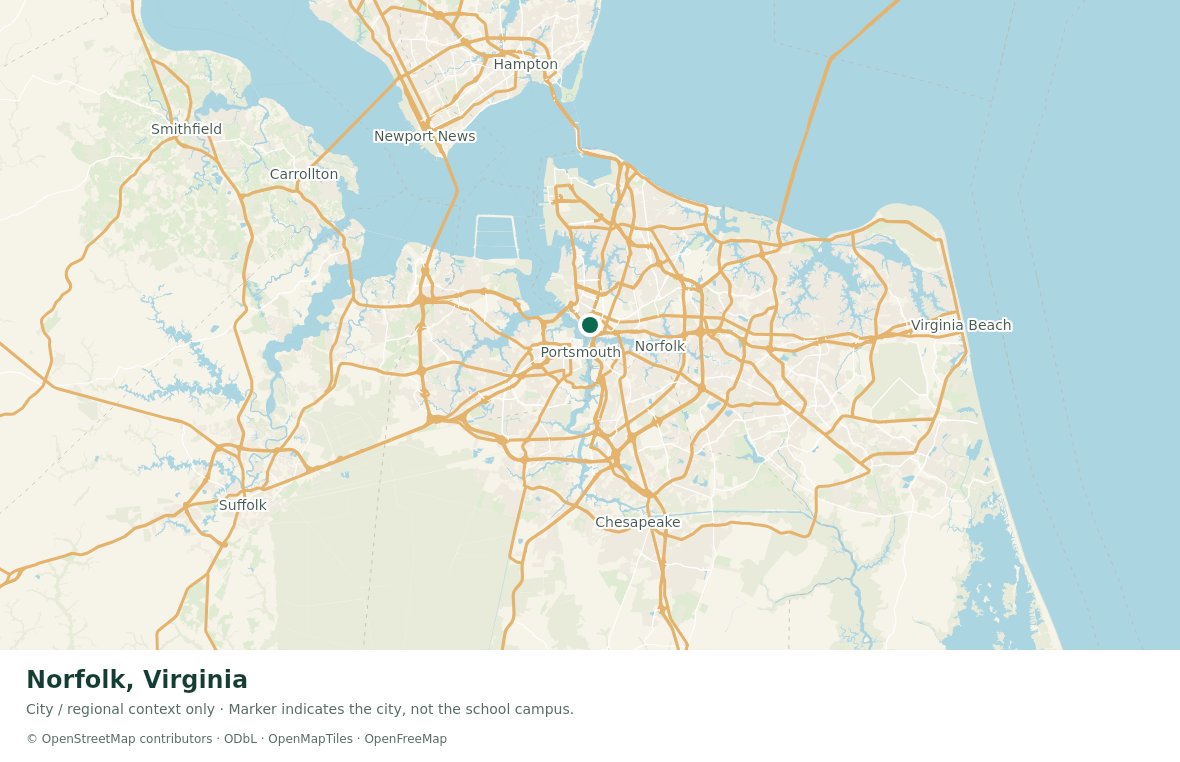
© OpenStreetMap contributors · ODbL · OpenMapTiles · OpenFreeMap
Map copyrightAirports are arrival-planning references, not the school location. Confirm flights, connections and onward school transport separately.
Enquiries
Discuss programme fit, dates and arrangements with an ASCWORLD adviser.
Enquire and apply